
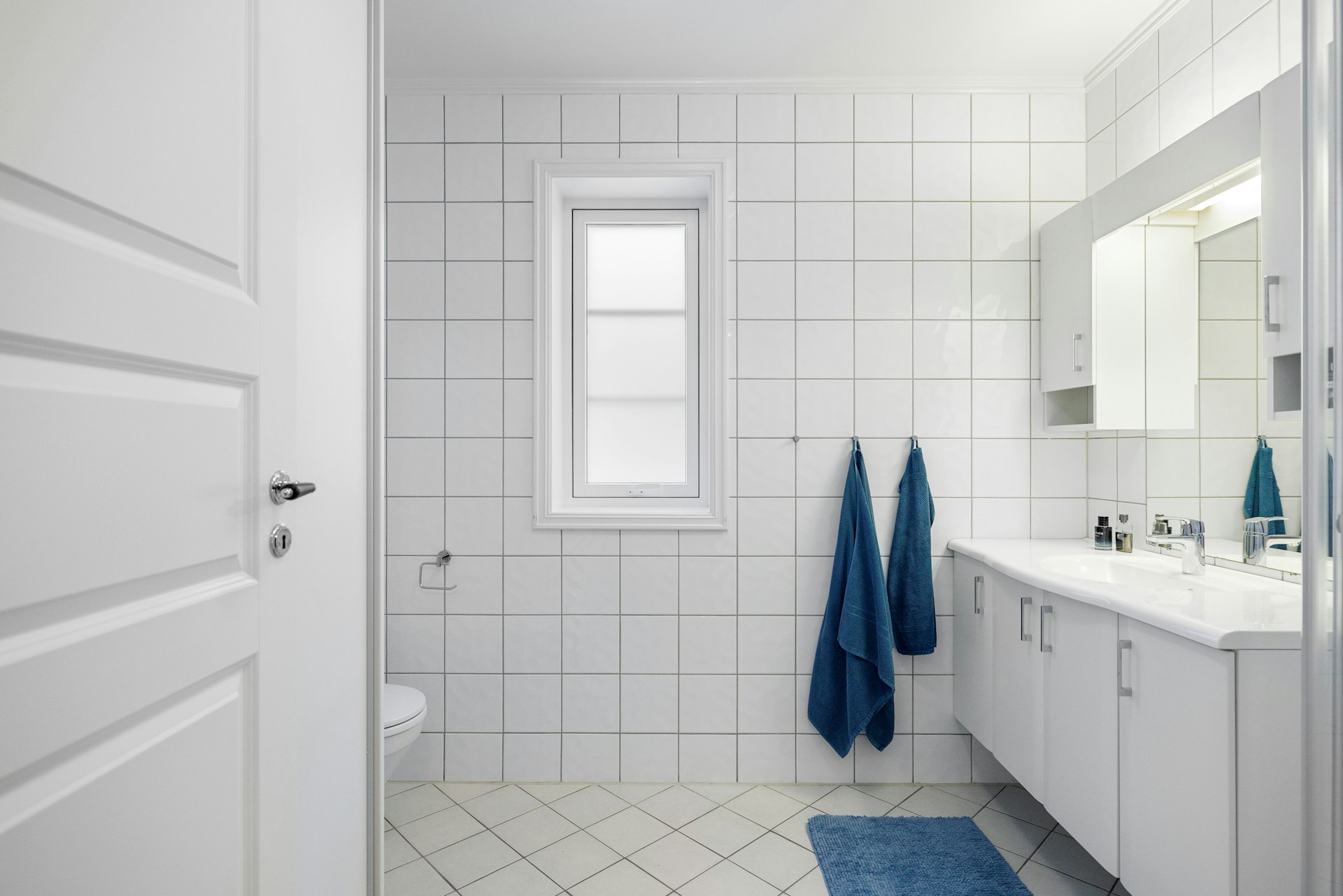
The bathroom is one of the most frequently used spaces in a home, and its design can significantly influence comfort, style, and functionality. Selecting the right tiles for your bathroom is more than just picking a color or pattern—it involves considering durability, water resistance, maintenance, and visual appeal. A well-chosen tile can transform a bland space into a serene retreat, making it both practical and inviting. Conversely, the wrong choice can lead to long-term dissatisfaction, costly replacements, or even safety concerns. This guide provides essential advice for homeowners seeking to select the perfect bathroom tiles. By understanding key considerations, you can make confident choices that enhance aesthetics, functionality, and longevity in your bathroom.
Consider Tile Material and Durability
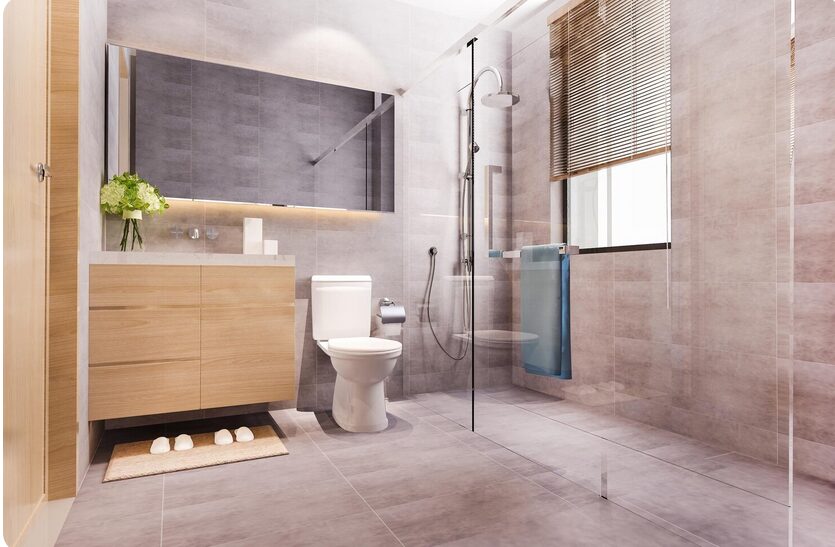
The first factor in selecting bathroom tiles is the material. Options range from ceramic, porcelain, and natural stone to glass and vinyl. Each material offers distinct advantages depending on location and usage. For instance, porcelain tiles are dense and highly water-resistant, making them ideal for floors, while ceramic tiles are often lighter and easier to install, suitable for walls. Natural stone, though visually striking, requires regular sealing to prevent damage from moisture. Selecting the appropriate material affects durability, cleaning requirements, and long-term satisfaction. Understanding how different materials perform in a wet environment will help you make an informed choice for your bathroom.
Evaluate Size and Layout
Tile size and layout dramatically influence the visual perception and functionality of a bathroom. Large-format tiles can create a seamless, spacious feel, while smaller tiles offer versatility in patterns and intricate designs. Consider the bathroom’s dimensions: compact spaces may benefit from lighter-colored, larger tiles to avoid a crowded look. Additionally, layout patterns such as herringbone, diagonal, or grid can add interest and personality. Proper planning of tile size and arrangement ensures visual harmony, optimizes space, and enhances the overall aesthetic of the bathroom.
Prioritize Water Resistance and Slip Safety
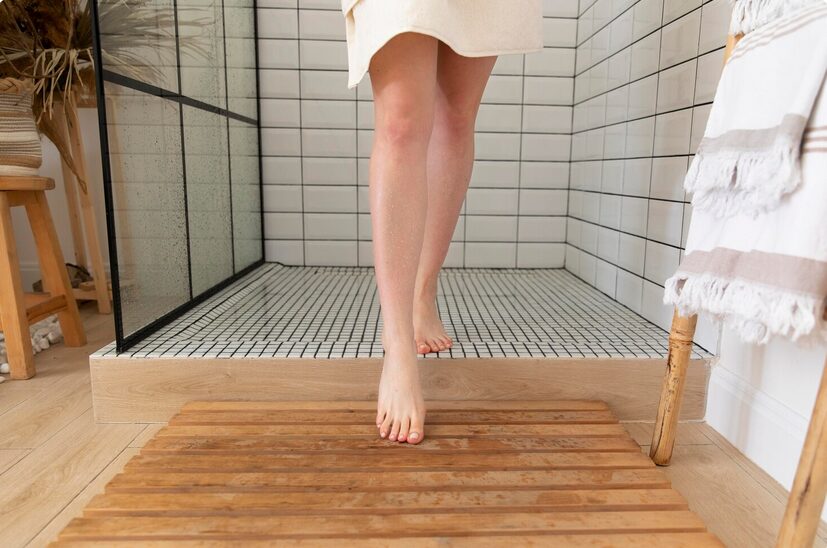
Bathrooms are high-moisture areas, so selecting tiles that resist water absorption is essential. Porcelain and ceramic tiles typically offer low water absorption rates, reducing the risk of damage over time. For floors, slip-resistance is equally critical. Tiles with textured surfaces or matte finishes provide better traction, reducing the likelihood of slips and falls. Evaluating water resistance and slip safety in tandem supports both durability and user safety, making the bathroom a more secure environment for all household members.
Focus on Color, Texture, and Style
The visual aspect of bathroom tiles is just as important as their functionality. Color, texture, and style collectively influence the atmosphere of the room. Lighter shades can make small bathrooms feel more open, while darker tones add sophistication. Textured or patterned tiles can create focal points or highlight specific areas, such as shower walls or backsplashes. Selecting complementary colors and finishes ensures a cohesive look that aligns with your design vision. By considering these factors carefully, homeowners can achieve a balance of aesthetics and practicality, resulting in a visually appealing and functional bathroom space.
Factor in Maintenance and Longevity
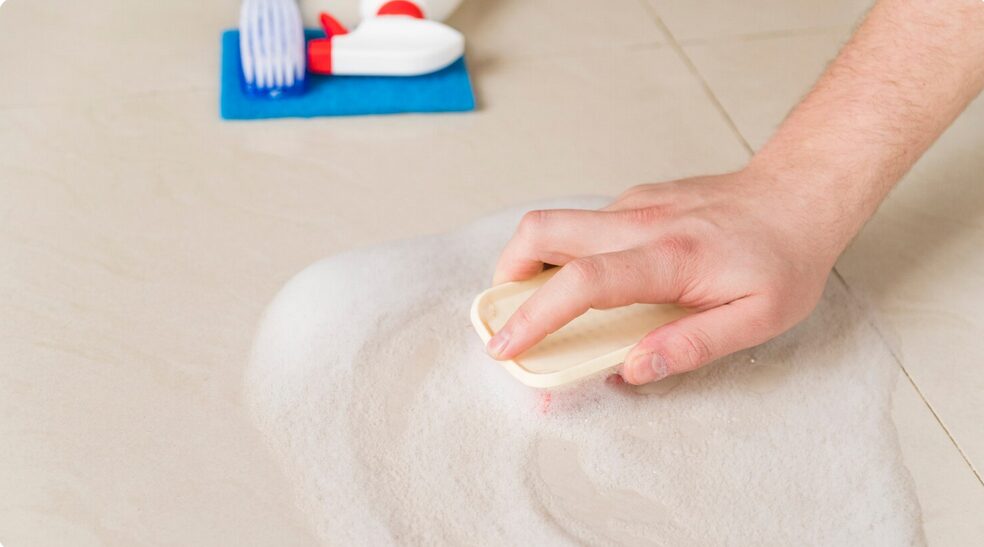
Tile maintenance requirements vary depending on material, finish, and installation. Smooth, glazed surfaces tend to be easier to clean, while textured or natural stone tiles may demand more frequent attention. Grout also requires upkeep to prevent discoloration or mold buildup. Considering the ease of cleaning and durability during selection helps maintain the bathroom’s appearance over time. A tile choice that balances aesthetics, performance, and low maintenance provides long-term satisfaction. Homeowners can enjoy a beautiful bathroom without the frustration of constant upkeep, making this consideration crucial for practical living.
Choosing the right bathroom tiles involves a careful assessment of material, size, layout, water resistance, style, and maintenance. By addressing these aspects, homeowners can create a space that is both visually appealing and functional. A thoughtful tile selection enhances comfort, safety, and longevity, transforming the bathroom into a pleasant and inviting environment. Considering these essential tips ensures that the investment in new tiles provides lasting satisfaction, balancing aesthetics, performance, and practicality for a harmonious and enjoyable bathroom experience.